
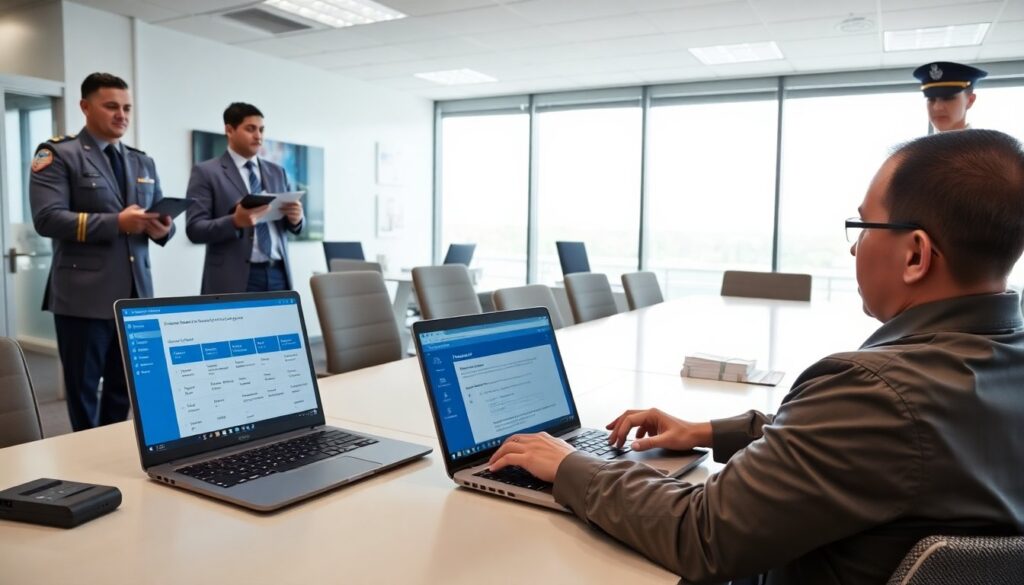
Forcnet provides a central portal for Air Force personnel to manage records, pay, leave, and assignments. The guide explains what forcnet is, how airmen access it, and how they handle common tasks. It shows steps for login, navigation, and basic troubleshooting. The guide uses clear steps and simple language to help users get results quickly and avoid common errors.
Key Takeaways
- FORCNET is a vital online portal that enables Air Force personnel to efficiently manage records, pay, leave, and assignments in one centralized system.
- Airmen must access FORCNET using approved browsers and secure authentication methods like CAC or multi-factor authentication to protect personal and operational data.
- Users can easily navigate FORCNET to submit leave requests, update assignments preferences, view personnel records, and review pay statements with clear menu options and step-by-step processes.
- Maintaining security by safeguarding credentials, using strong passwords, and avoiding public Wi-Fi is essential for safe FORCNET use and preventing unauthorized access.
- Troubleshooting login issues involves checking CAC readers, browser compatibility, and certificates, with helpdesk support available for resolving persistent problems quickly.
- FORCNET’s audit logs and error messages help detect suspicious activities, and regular security training is crucial for protecting access against phishing and other threats.
What FORCNET Is And Why It Matters To Airmen
FORCNET is an online portal that helps Air Force personnel view and manage official information. It connects service members to personnel records, pay statements, assignment data, and leave balances. Commanders and administrators use FORCNET to approve requests and share documents. Airmen use FORCNET to check records, update contact details, and start routine actions. The portal reduces paperwork and speeds routine tasks. FORCNET stores official data and links to other Air Force systems. Users must treat access as official access and follow rules for handling personal and operational data. Reliable use of FORCNET helps airmen avoid pay errors, missed assignments, and record issues. The portal shows transaction history and official messages. Command teams use FORCNET reports to manage squadrons and base staffing. The system receives updates and patches from Air Force IT. Users should expect periodic maintenance windows and planned outages. Knowing where to find key menus in FORCNET saves time. The main menus include personal data, pay, assignments, and documents. FORCNET supports common file types for uploads and provides audit logs. The portal uses single sign-on for many linked services. FORCNET links to Defense Finance and Accounting Service entries for pay and to the personnel record for promotions and evaluations.
How To Access FORCNET And Navigate Core Functions
Users access FORCNET through an approved browser and a network connection. They open the official portal link and sign in with their DoD credentials. The portal requires a CAC, Personal Identity Verification, or a username plus two-factor authentication. After sign-in, the homepage shows quick links and alerts. Users select the menu item for the task they want. The search bar returns records, forms, and messages. Menus label functions clearly: Records, Pay, Leave, Assignments, Documents. FORCNET uses tabs and breadcrumb trails to show location. The portal shows help text and contact numbers on each page. Users can change display settings and set notification preferences. FORCNET logs out users after a timeout and shows a warning before it logs out. The portal supports file upload limits. Users should prepare files under the size limit before they upload. FORCNET shows error messages when a file type is not allowed.
Common Tasks: Leave, Assignments, Records, And Pay (Step‑By‑Step)
Leave: The user opens the Leave menu and selects Request Leave. The form asks for dates, leave type, and the approving official. The user attaches supporting files and submits the request. The approver receives a notification and can approve or deny. FORCNET updates the leave balances after approval.
Assignments: The user opens Assignments and selects Preferences or Apply. The form shows available positions and duty locations. The user adds preferences and submits documents. The assignment manager reviews submissions and posts decisions. FORCNET stores assignment history and orders.
Records: The user opens Records and views the personnel file. The user can view evaluations, awards, and training entries. The user requests corrections by submitting a change request form. The records manager reviews and updates the official record.
Pay: The user opens Pay and views recent statements and tax documents. The user updates direct deposit and contact details where allowed. The user reports errors by selecting Report an Issue and attaching evidence. FORCNET routes pay problems to the finance office. The system timestamps actions for audit and review.
Security, Best Practices, And Troubleshooting Login Issues
FORCNET requires secure access and routine care of credentials. Users keep CAC, PIV, and passwords secure. Users store CACs in protective sleeves and do not share credentials. The portal uses two-factor methods and session timeouts. Users enable multi-factor options when available.
Best practices: The user updates password regularly and uses a passphrase that they can recall. The user verifies site URLs and avoids public Wi‑Fi for official access. The user clears browser cache and logs out after each session. The user keeps browser and OS patches up to date. The user saves important documents locally in approved encrypted storage and keeps backup copies where policy allows.
Troubleshooting login issues: If the user cannot sign in, they check CAC reader drivers and browser compatibility first. They ensure the CAC certificate is valid and not expired. They try a different approved browser or a cleared cache. If the problem persists, the user contacts the base helpdesk or the Enterprise Service Desk. The helpdesk can reset credentials, check certificates, or escalate to network operations. When forced maintenance occurs, the service desk gives an estimated return time.
Error messages: The portal shows specific codes for common errors. The user notes the code and the exact message. The user records the time and the steps taken before the error. The helpdesk uses that information to diagnose the issue faster. FORCNET audit logs record access attempts and administrative actions. Users report suspicious activity immediately and follow unit reporting procedures. Regular training helps users spot phishing attempts that could compromise FORCNET access. The base security office can run briefings and provide updates on the latest threats and recommended countermeasures.