
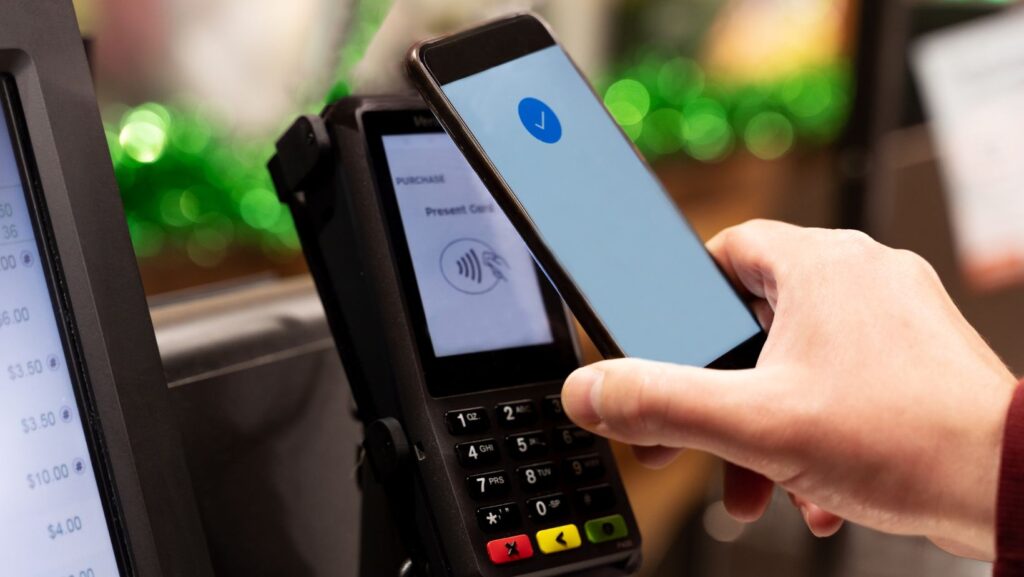
Checkout isn’t just the last step, it’s often the dealbreaker. What used to be a slow, frustrating process is now expected to be fast, easy, and flexible. Today’s shoppers won’t wait around. To keep up and stay ahead, businesses need to meet these new expectations every time.
Key Expectations of Modern Shoppers
Modern shoppers expect the checkout to be quick, easy, and frustration-free. Time is valuable, so they will likely leave without buying if the process feels slow or overly complicated. A streamlined experience — think autofill, one-click checkout, and minimal steps — can significantly boost conversion rates.
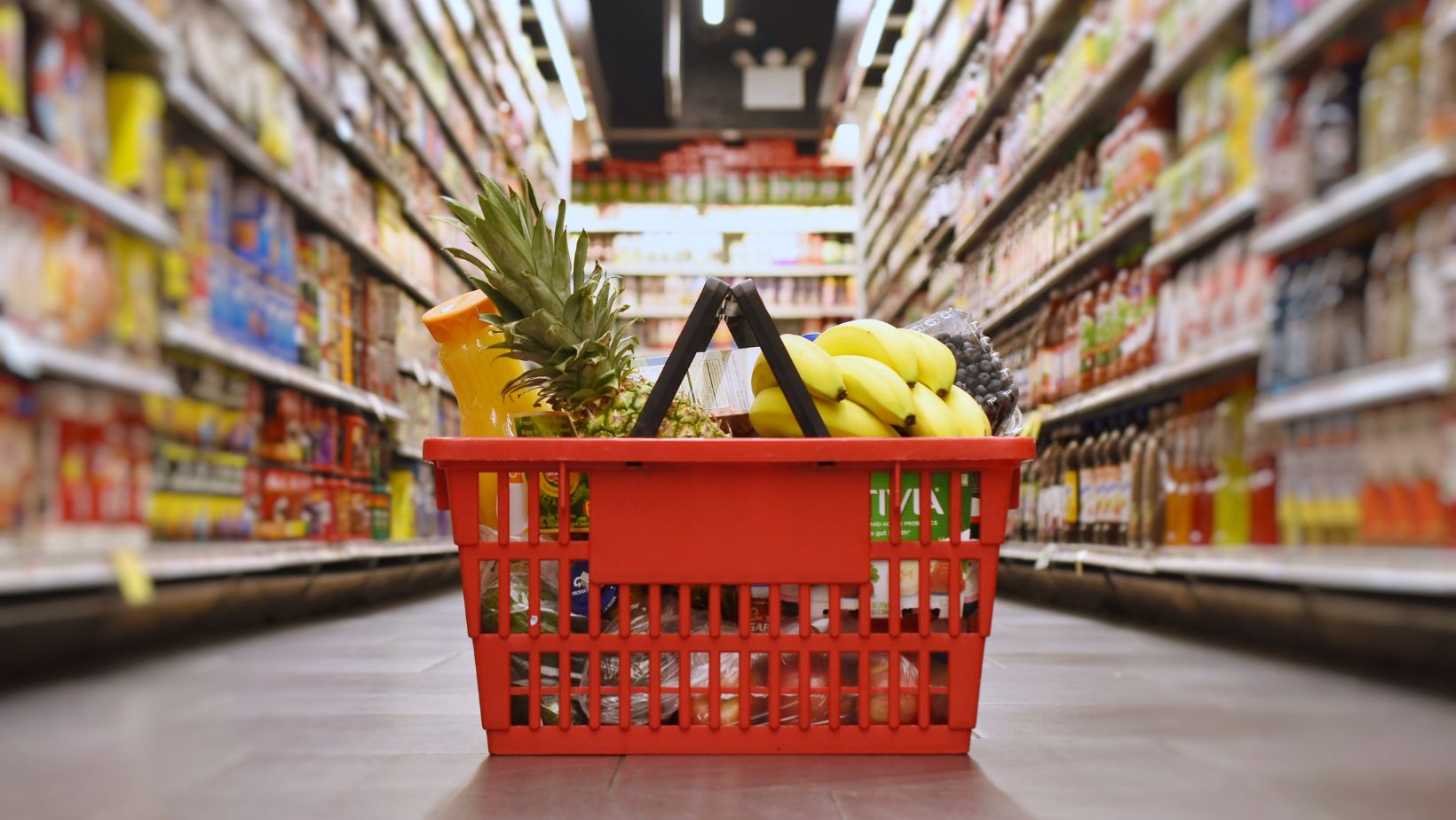
Flexibility is also crucial. People want to choose how they pay, whether it’s with a card, PayPal, Google Pay, Apple Pay, or Buy Now, Pay Later options. That’s why businesses need reliable payment solutions that can handle various methods securely and efficiently.
Mobile optimization is no longer optional. Most shoppers use their phones to browse and buy, so the checkout process needs to work perfectly on small screens. Fast load times, straightforward navigation, and tap-friendly buttons make a huge difference.
Shoppers also appreciate personalization. Things like saved preferences, loyalty rewards, or personalized discounts show you know your customer and care.
Lastly, transparency matters. Hidden fees, unclear shipping costs, or vague return policies can kill trust. Being upfront with everything builds loyalty and keeps people coming back.
Common Checkout Pitfalls to Avoid
Even if customers are ready to buy, a poor checkout experience can quickly change their minds. Here are some common mistakes businesses should avoid:
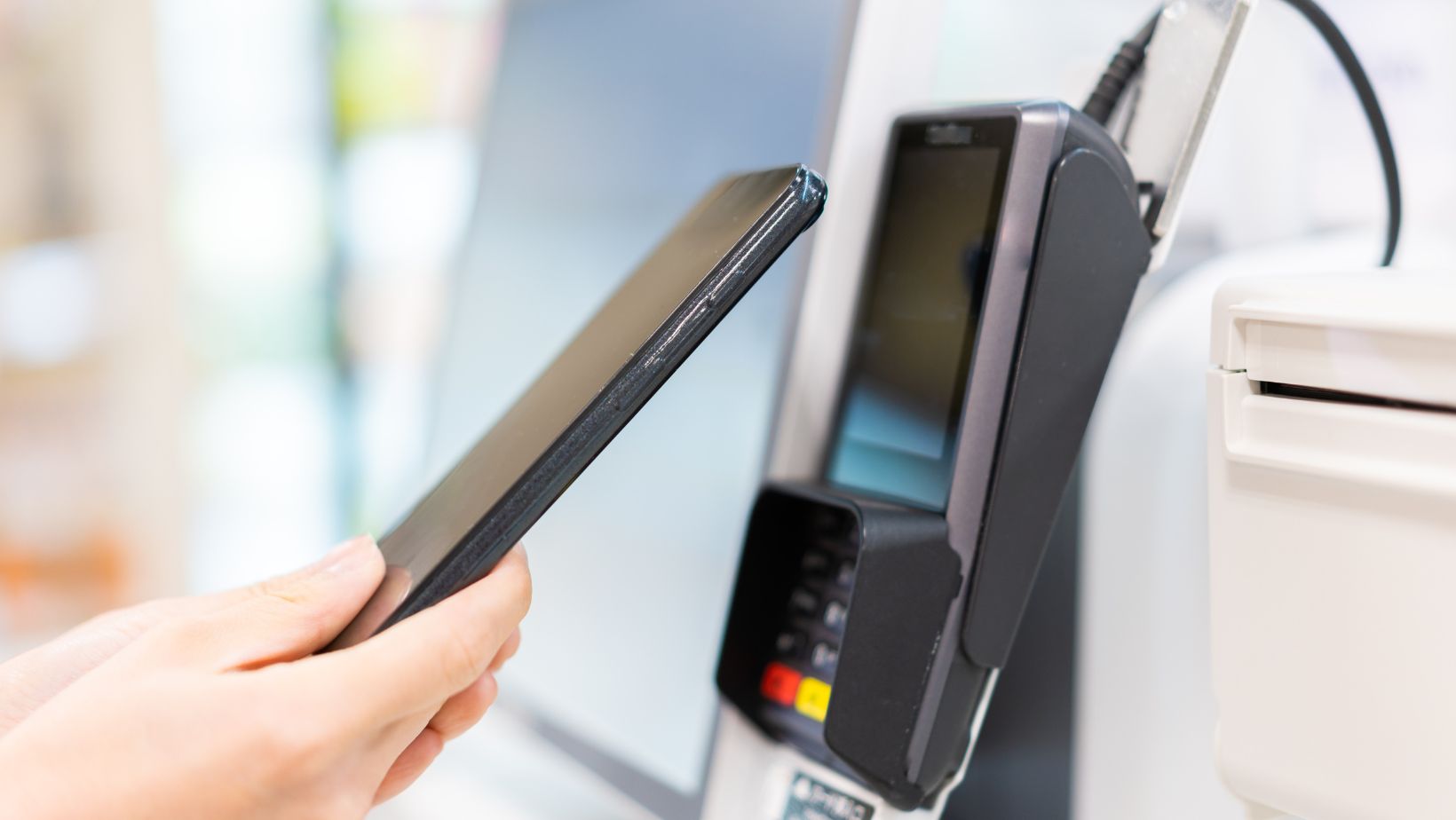
- Too Many Steps: People will leave if the process takes too long or feels confusing. Keep it short and straightforward.
- Forcing Account Sign-Up: Making users create an account just to buy something? That’s a dealbreaker for many. Always offer a guest checkout.
- Surprise Costs: Nobody likes unexpected fees. Be clear about shipping and taxes upfront to build trust.
- Not Enough Payment Options: If customers can’t pay how they prefer, they might not pay. Include digital wallets, cards, and other popular methods.
- Bad Mobile Experience: A clunky mobile checkout quickly turns people off. Make sure it works smoothly on all screen sizes.
Resolving these issues can lead to happier customers and more completed sales.
Strategies for Businesses to Improve Checkout Experience
A smooth, simple checkout can distinguish between a sale and an abandoned cart. Here’s how businesses can improve it:
- Let People Check Out as Guests: Not everyone wants to sign up. Letting customers buy without creating an account keeps things quick and painless.
- Make It Mobile-Friendly: More people are shopping on their phones than ever. Your checkout must load fast, look clean, and work perfectly on any screen size.
- Offer All the Right Payment Methods: Everyone has a favorite payment method. To ensure comprehensive coverage, it is essential to support various payment methods such as cards, PayPal, Apple Pay, Google Pay, and Buy Now, Pay Later options.
- Keep It Short and Simple: Don’t overwhelm users with endless forms. Only ask for what’s needed to complete the purchase.
- Be Clear About Costs: No one likes surprise fees. Before the final step, show the total cost, including shipping and tax.
These changes make customers happier and help close more sales.